Fish Pepper
Historic heirloom pepper with variegated foliage, striking color progression, and versatile medium heat
Everything you need to know at a glance:
🌶️ Quick Overview
Type: Heirloom / Open-pollinated
Species: Capsicum annuum
Heat: Medium–Hot
Harvest color: Green → Cream → Orange → Red
Container friendly: Yes
Indoor friendly: Sometimes / With strong light
Heirloom Hot Pepper (Capsicum annuum)
🌈 What Makes Fish Pepper Special
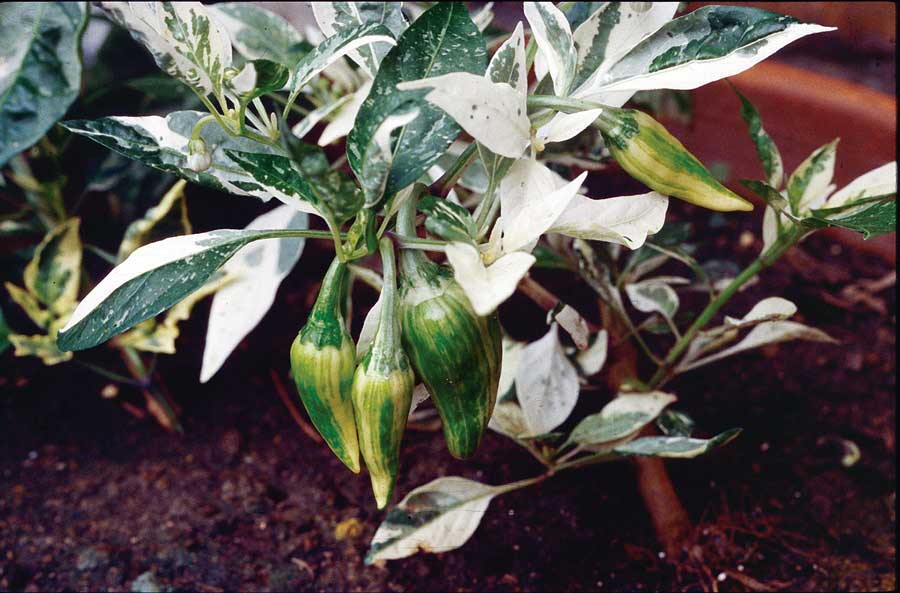
Fish Pepper is a historic heirloom known for its dramatic color changes and beautiful variegated foliage. Peppers mature through green → cream → orange → red, often showing multiple colors on the plant at the same time.
This variety isn’t just beautiful — it has deep roots in African-American culinary history, especially in traditional seafood dishes along the Chesapeake Bay.
🌱 Is This Variety Right for You?
- You enjoy mild to medium heat with great flavor
- You want a pepper that’s both culinary and ornamental
- You’re interested in unique, historical varieties
- You like plants with variegated foliage and striking fruit
- You want something different from standard grocery store peppers
- You want a pepper that’s both edible and highly ornamental
- You enjoy peppers that work well in sauces, seafood dishes, and fresh use
🔥 Heat & Flavor
🌶️ Heat Scale: Mild → Medium → Hot → Very Hot
-
Heat level: Medium–Hot (similar to a jalapeño, occasionally hotter)
(~5,000–30,000 Scoville Heat Units)
-
Color: Cream and green striped when immature, ripening to red
-
Flavor: Bright, clean heat with a slightly fruity finish
-
Best uses: Seafood, sauces, salsas, pickling, drying
 Heat increases as peppers mature — cream-colored peppers are milder than fully red ones.
🌱 Plant Details
Plant size: Compact, bushy habit
Height: ~24–36 inches
Best grown in: Containers, raised beds, or garden beds
Foliage: Often variegated (green and white leaves)
Fish Pepper performs very well in pots and is an excellent choice for gardeners with limited space.
☀️ Growing Tips
Sun: Full sun (6–8+ hours daily)
Water: Moderate; allow soil to dry slightly between watering
Soil: Well-draining, nutrient-rich soil
Harvest: Peppers can be harvested at any color stage
Regular harvesting encourages continued production.
🧑🍳 Culinary Notes
Fish Pepper was traditionally used to season:
-
Fish and shellfish dishes
-
Cream-based sauces
-
Vinegar sauces and hot pepper relishes
Today, it’s valued for both its flavor and its unique appearance—bringing color, history, and heat to the kitchen.l matter.
🏺 Preservation Ideas
Dry ripe red peppers for flakes or powder
Pickle immature cream-colored peppers
Freeze chopped peppers for later use
⚠️ Common Issues & Fixes
- Leaves look streaked or variegated
This is normal for Fish Pepper — the plant naturally has variegated foliage and does not indicate a problem. - Plant growth seems slower than other peppers
Fish Pepper can grow a bit slower early on. Make sure it’s getting full sun and consistent warmth, and it will catch up. - Flowers dropping without producing peppers
Often caused by temperature swings. Peppers prefer warm, stable conditions — avoid cold nights and extreme heat when possible. - Leaves turning yellow
Usually a sign of overwatering or poor drainage. Let the soil dry slightly between waterings and ensure good drainage. - Low pepper production
May be due to too little sunlight or excess nitrogen. Increase sun exposure and avoid over-fertilizing with nitrogen-heavy products.
Plants are resilient — small adjustments usually fix it.
🌱 Want to grow Fish Peppers yourself?
This Fish Pepper plant was grown with care and selected for strong roots, compact structure, and reliable production.
Check back anytime — this page may be updated with seasonal tips, indoor growing notes, or harvest ideas.
🌱 From KC Backyard Garden Guy
This Fish Pepper plant was grown with care and selected for healthy growth, strong roots, and great flavor.
If you have questions or want growing tips throughout the season, feel free to check back — this page may be updated as the season progresses.
🌻 Grown locally by KC Backyard Garden Guy
📍 Kansas City area
🌐 kc-bygg.com